


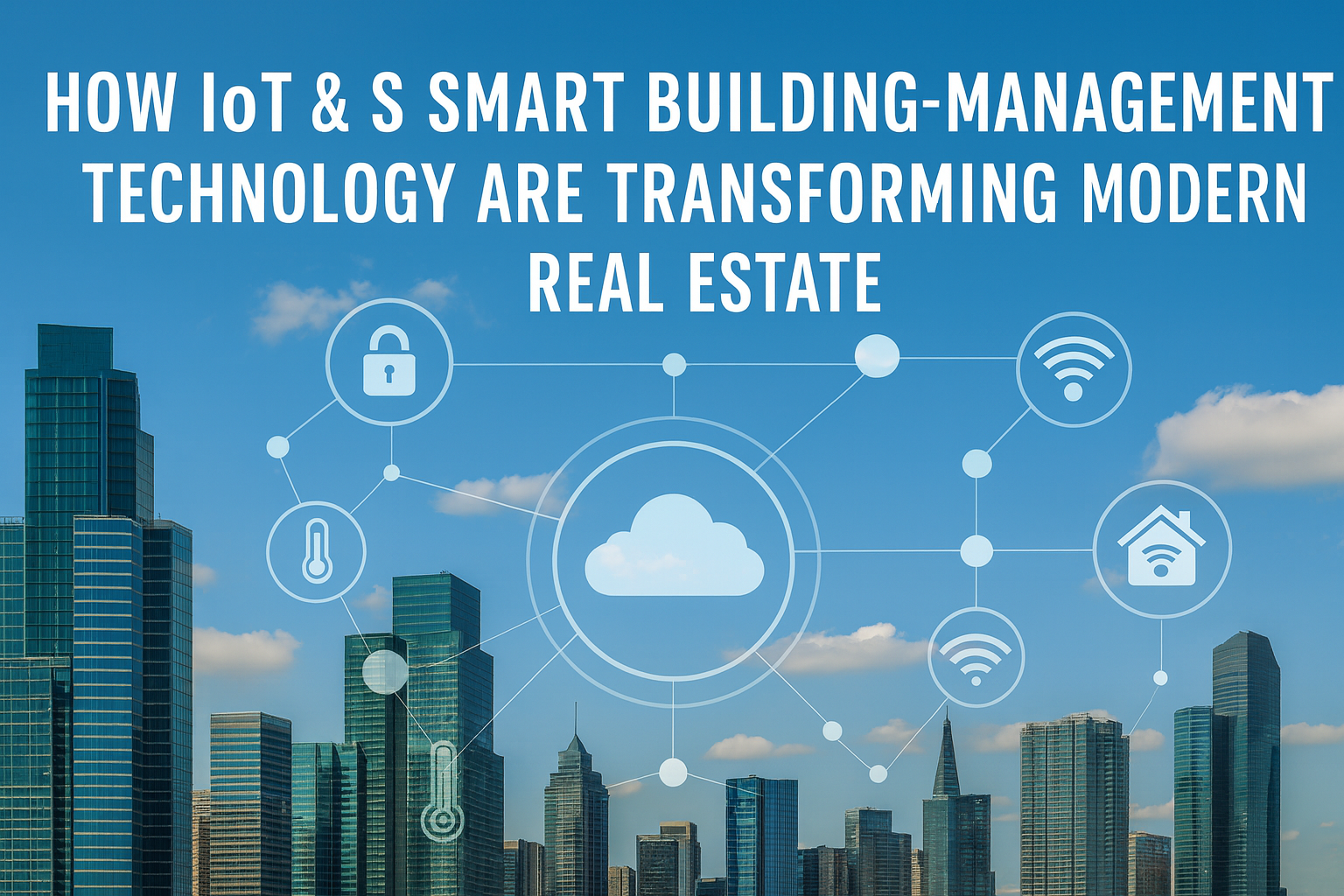
The construction and real estate sectors are undergoing a major shift as digital technology becomes more integrated into the built environment. One of the most influential innovations driving this transformation is the Internet of Things (IoT)—a network of connected devices, sensors, and systems that can communicate and share data in real time. As more buildings adopt smart-management technologies, property owners, engineers, and developers are discovering new opportunities to improve efficiency, safety, and long-term value.
Smarter Buildings Through Real-Time Data
IoT devices provide constant streams of information about how a building operates. Sensors can track everything from temperature, humidity, and lighting levels to energy usage and foot traffic. This continuous monitoring helps building managers make informed decisions, address issues faster, and optimize day-to-day operations.
For example, smart HVAC systems can automatically adjust cooling and heating based on real-time occupancy. This avoids waste, reduces energy bills, and creates a more comfortable environment for occupants.
Enhanced Building Security and Safety
Security is one of the earliest and most important applications of IoT in real estate. Smart surveillance cameras, digital access-control systems, and connected alarm systems allow property managers to monitor buildings remotely and respond to risks instantly. Combined with automated lighting and emergency alerts, these technologies contribute to safer and more dependable buildings.
IoT also enhances safety by detecting hazards before they escalate. Sensors can identify water leaks, electrical faults, or structural stress, enabling maintenance teams to act before significant damage occurs.
Streamlined Facility Management
Smart building-management platforms gather data from all connected systems—HVAC, lighting, elevators, water systems, and even on-site equipment. These platforms simplify facility management by providing a central dashboard where maintenance teams can receive alerts, schedule tasks, and monitor equipment health.
Predictive maintenance is another major benefit. Instead of waiting for equipment to fail, IoT systems can forecast when maintenance is needed, reducing downtime and extending the lifespan of building assets.
Energy Efficiency and Sustainable Construction
Sustainability has become a priority in modern construction, and IoT plays a key role in helping buildings use resources responsibly. Smart meters and energy-monitoring tools identify where consumption is highest and suggest ways to reduce waste. Automated systems can adjust lighting, ventilation, and water usage according to occupancy patterns.
These improvements not only lower operating costs but also help projects meet global green-building standards, making properties more attractive to environmentally conscious buyers and investors.
Better Experiences for Occupants
Smart buildings are not just about efficiency—they also improve the daily experience of residents and tenants. Automated entry systems, smart parking, mobile-controlled lighting, and personalized climate settings make buildings more user-friendly and modern.
In commercial buildings, IoT helps optimize meeting space usage, improve indoor air quality, and create a more productive work environment. In residential properties, it enhances comfort, security, and convenience.
Why IoT Matters for Real Estate Developers
Developers who integrate IoT early in the construction process position their projects for long-term success. Smart features can increase property value, attract tech-savvy buyers, and reduce operational costs for building owners. In competitive markets, offering intelligent building-management systems gives developers a strong edge.
Additionally, as cities grow and demand for efficient infrastructure rises, smart buildings will play a central role in shaping sustainable, future-ready urban environments.
Conclusion
IoT and smart building-management technologies are redefining how buildings are designed, constructed, and operated. With benefits ranging from energy savings and enhanced safety to improved comfort and asset longevity, these innovations are becoming essential features of modern real estate development. As adoption continues to grow, the future of construction will be shaped by buildings that are not just strong and attractive—but intelligent, connected, and adaptable.
One Reply to “How IoT & Smart Building-Management Technology Are Transforming Modern Real Estate”
Alright, ph987. Let’s be honest, it’s a mixed bag. Some things are great, others…not so much. They need to step up their game.